Study in Canada
Live in English while you study: language school, co-op or a working holiday.
Currently listed6cities108schools

Country snapshot
Studying in Canada: costs and visas
The official guide to living costs for students in Canada is CAD 23,448 per year (the government, checked October 15, 2026).
Study paths and visa options differ by country. Always confirm official rules before applying.
Cost
about CA$1,954 a month
That is about CA$23,448 a year
about US$1,370 a month
That is about US$16,410 a year
about MX$25,400 a month
That is about MX$304,700 a year
about £1,040 a month
That is about £12,440 a year
about €1,240 a month
That is about €14,900 a year
about A$2,020 a month
That is about A$24,290 a year
about NZ$2,480 a month
That is about NZ$29,760 a year
about ₱87,500 a month
That is about ₱1,049,700 a year
about ¥218,000 a month
That is about ¥2,620,000 a year
about ₩1,830,000 a month
That is about ₩21,910,000 a year
Living-cost funds to show for a study permit
Source: IRCC: Proof of financial support (study permit)
See the full cost breakdownEntry and permits
7CAD
eTA (electronic travel authorization) fee
6months or less
Study without a permit
Source: IRCC: Find out about eTAIRCC: Who can study without a study permit
See entry and permits in detailWorking holiday
Depends on your nationality
Source: IRCC: IEC eligibility by countryIRCC: International Experience Canada
See entry and permits in detailLanguageEnglish (French environments in Quebec too)
Visa and working holiday rules can change. Check the latest official government or embassy guidance before you apply.
Step 1 — Choose a city
Cities to study in Canada
BLOOM ABROAD lists 6 cities and 108 schools in Canada.
Compare the cities of Canada with photos and numbers.
 58 schools
Vancouver
On the west coast, close to the sea and the mountains.
Places to stay: listings wanted
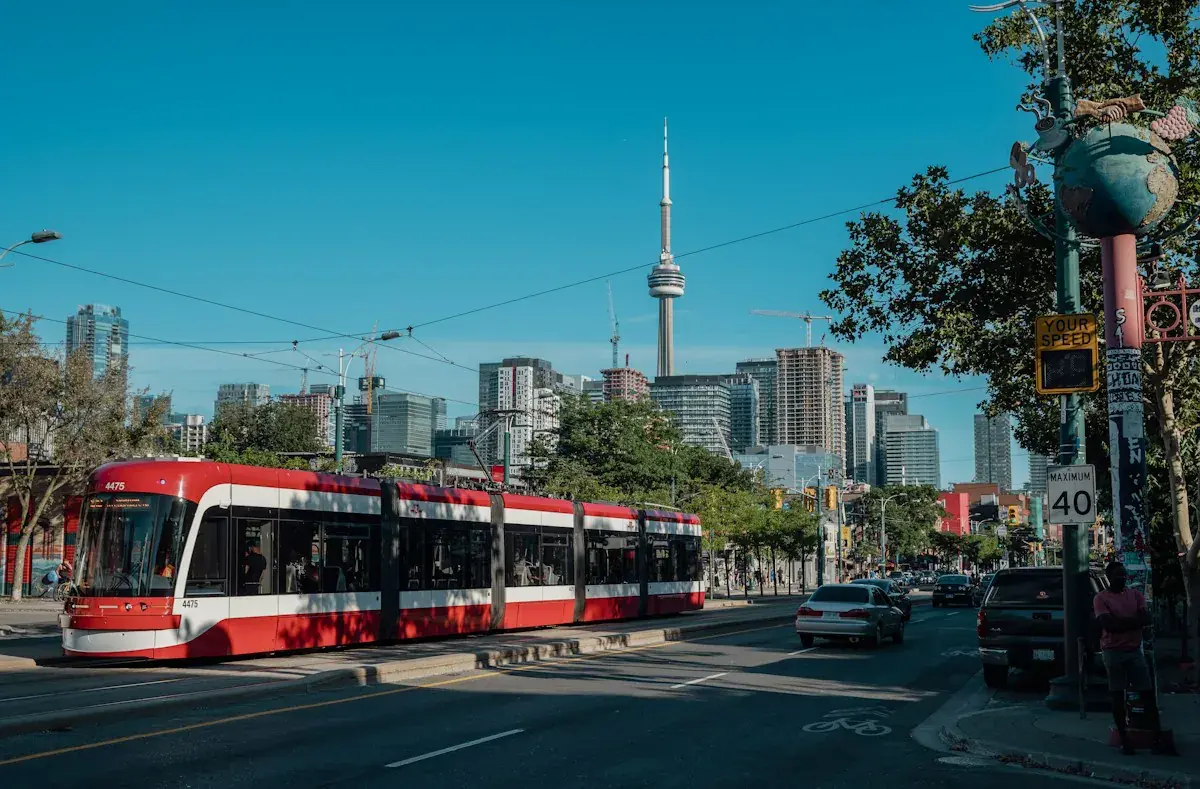 30 schools
Toronto
Canada's largest city.
Places to stay: listings wanted
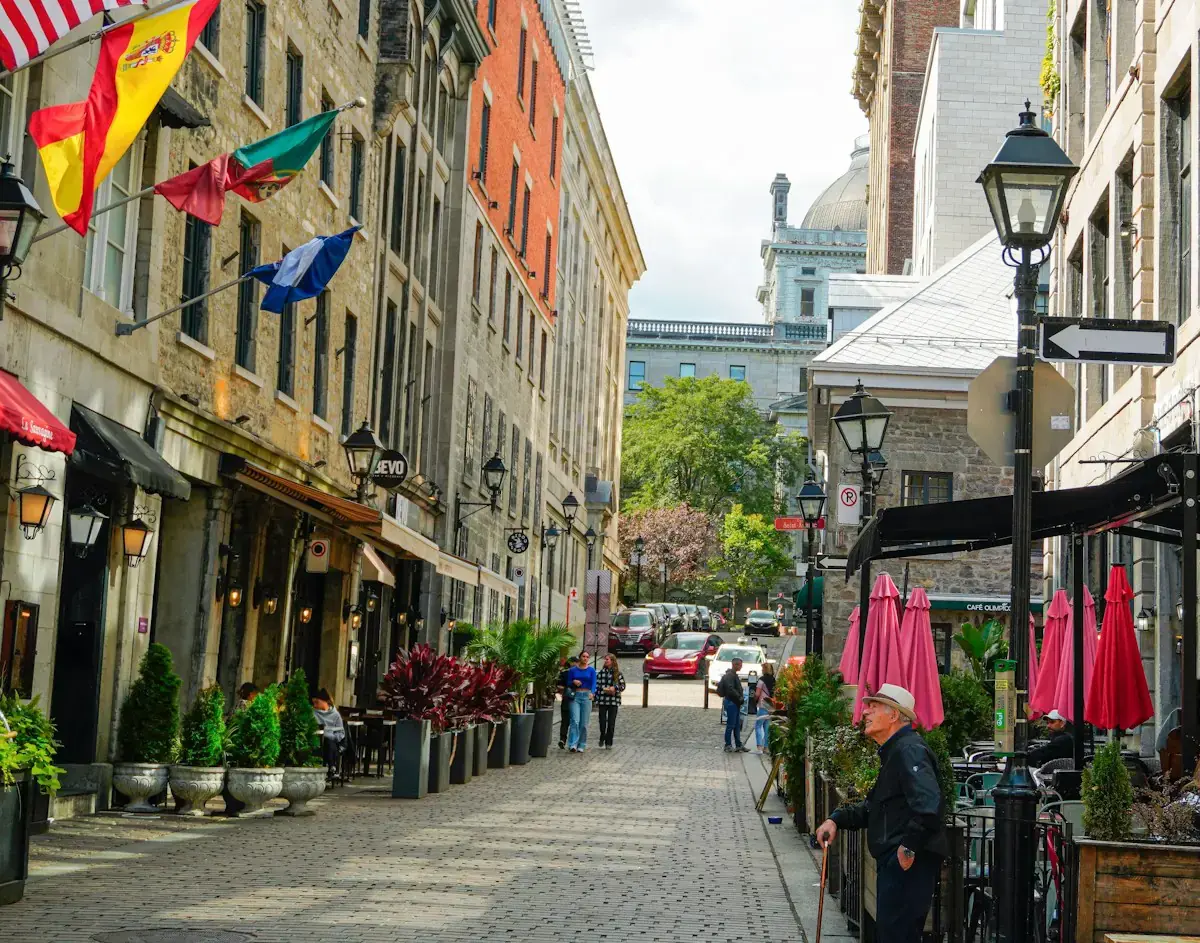 5 schools
Montreal
A city in Quebec, where the environment is French-speaking.
Places to stay: listings wanted
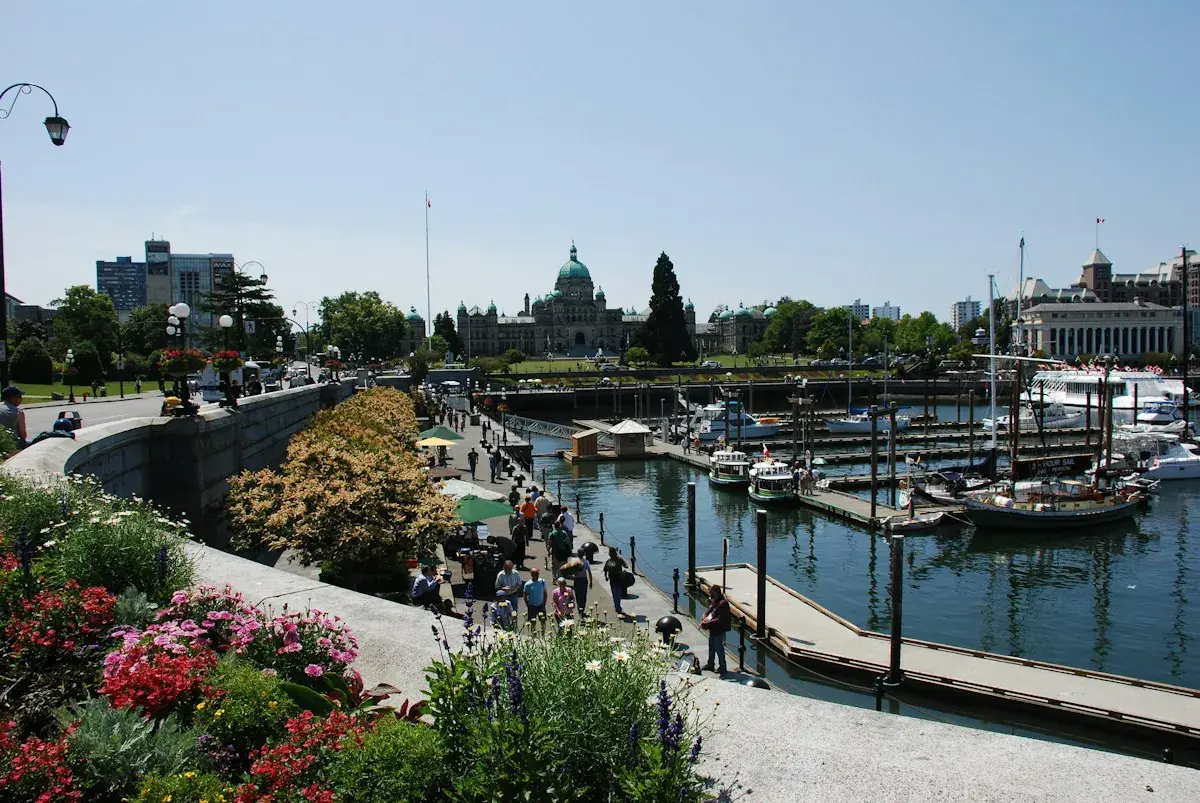 7 schools
Victoria
The capital of British Columbia, on Vancouver Island.
Places to stay: listings wanted
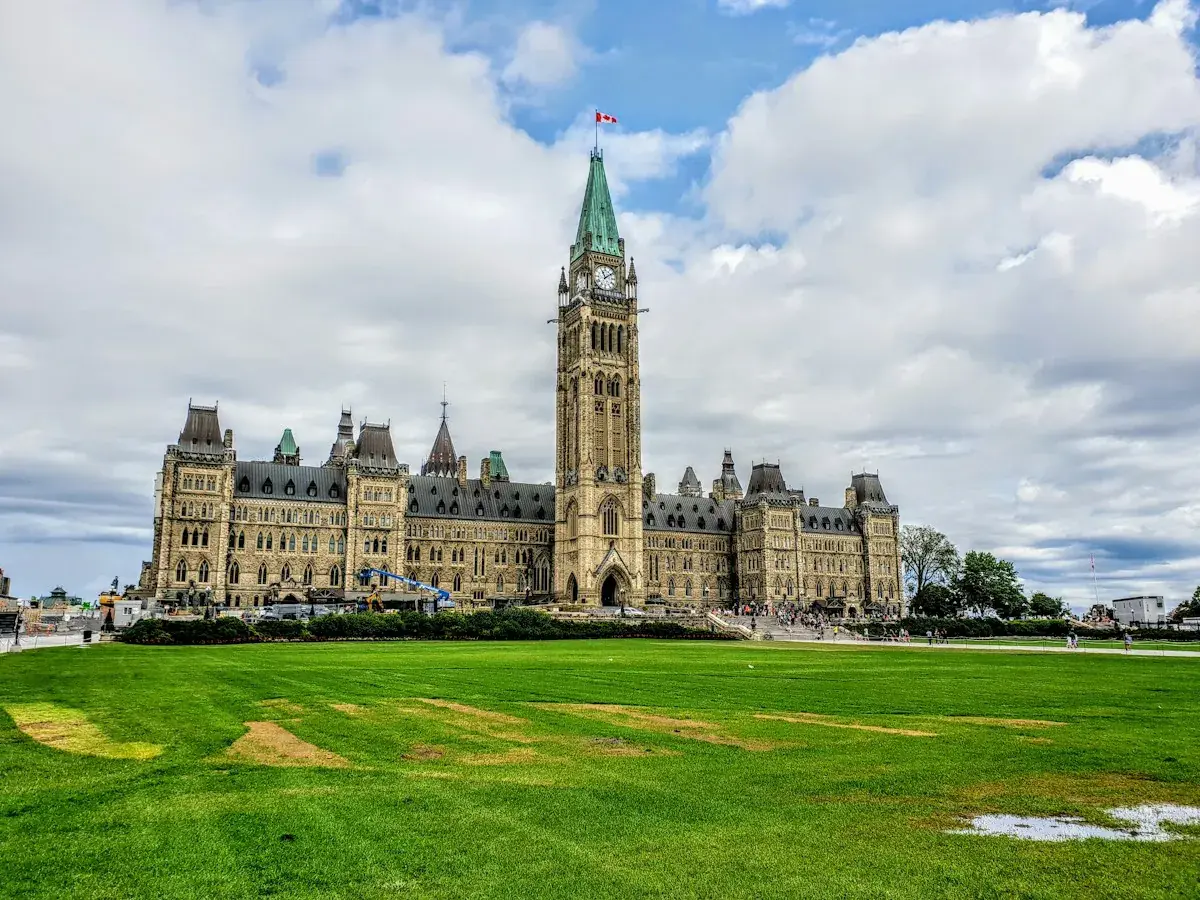 2 schools
Ottawa
Canada's capital, where English and French mix in daily life.
Places to stay: listings wanted
 1 schools
Calgary
A major city in Alberta, close to the Rocky Mountains.
Places to stay: listings wanted
Not sure where to go yet?
From your goals and budget to the climate you like, answer a few questions and see which cities suit you best.
- Budget
- Goal
- Duration
Free · No signup · About 1 minute
Step 2 — Know your options
Ways to study in Canada
There are 3 ways to study in Canada: Language study; Co-op and career programmes; Working holiday.
Length of stay, work rights, cost: each route differs on all three.
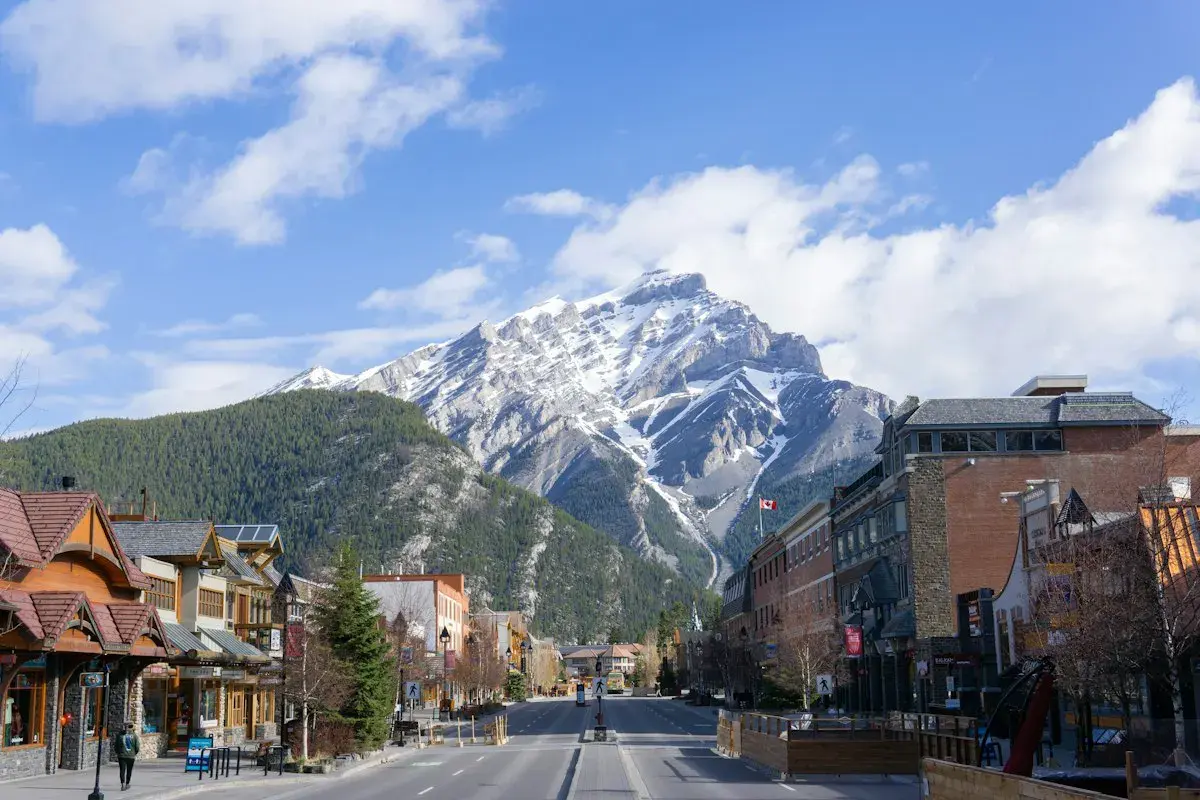
Language study
- eTA (Electronic Travel Authorization)6 months or less, arriving by air
- Study PermitOver 6 months
Who it suits:For people who want to build speaking skills first, or try life abroad for a short time.
- Length and permit
No permit up to 6 months
- Can you work?
Language courses: no off-campus work
- Cost
Tuition varies by school and length

Co-op and career programmes
- Study PermitNo separate permit for required placements (since 1 April 2026)
Who it suits:For people who want work experience in their field of study.
- Length and permit
Study permit needed
- Can you work?
Off-campus up to 24 hours a week
- Cost
Funds proof CAD 23,448 a year
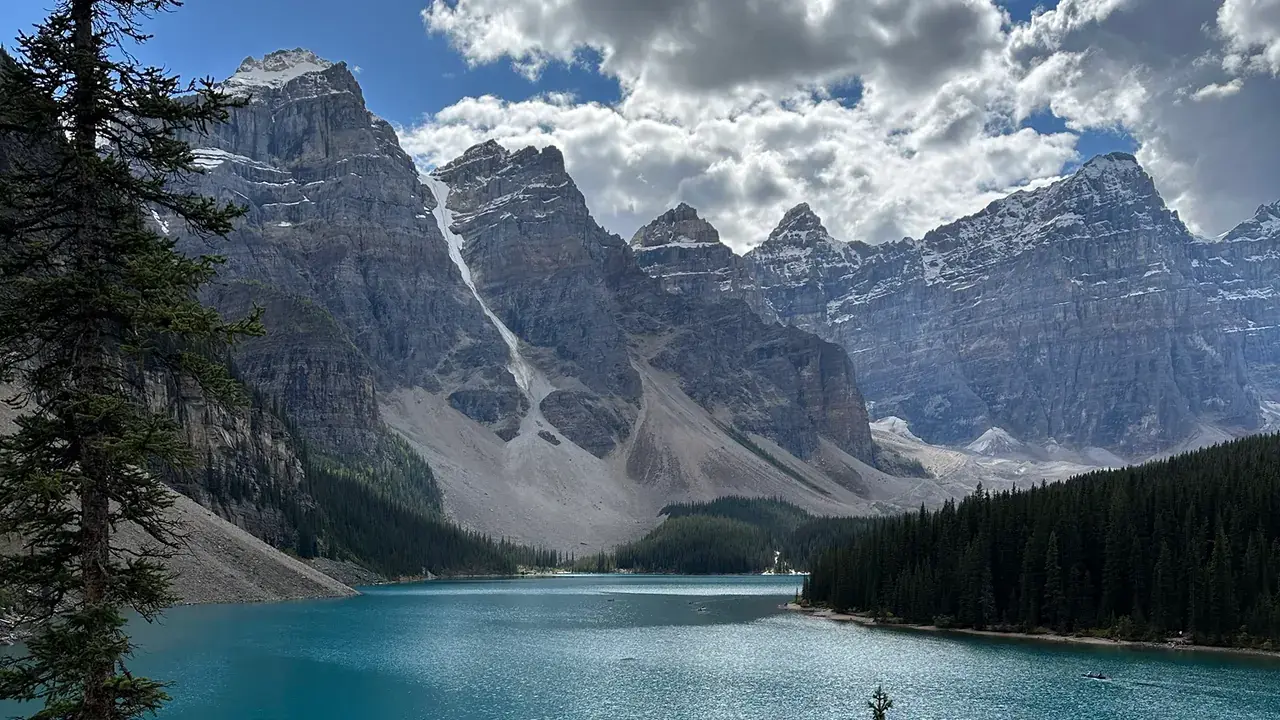
Working holiday
- IEC Working Holiday (work permit)
Who it suits:For people who meet the age rule and want a longer stay with work.
- Length and permit
Rules depend on nationality
- Can you work?
Work permit included
- Cost
You cover your own living costs
Language study
- eTA (Electronic Travel Authorization)6 months or less, arriving by air
- Study PermitOver 6 months
Who it suits:For people who want to build speaking skills first, or try life abroad for a short time.
Co-op and career programmes
- Study PermitNo separate permit for required placements (since 1 April 2026)
Who it suits:For people who want work experience in their field of study.
Working holiday
- IEC Working Holiday (work permit)
Who it suits:For people who meet the age rule and want a longer stay with work.
Length and permit
No permit up to 6 months
Study permit needed
Rules depend on nationality
Can you work?
Language courses: no off-campus work
Off-campus up to 24 hours a week
Work permit included
Cost
Tuition varies by school and length
Funds proof CAD 23,448 a year
You cover your own living costs
For Japanese citizens. Official names checked on government websites on October 27, 2026.
Sources (official government pages)
Language study・Source: IRCC: Who can study without a study permitIRCC: Work off campusIRCC: Work in a student work placementIRCC: Proof of financial support (study permit)IRCC: Find out about eTA
Co-op and career programmes・Source: IRCC: Work in a student work placementIRCC: Work off campusIRCC: Proof of financial support (study permit)
Working holiday・Source: IRCC: IEC eligibility by countryIRCC: International Experience Canada
Step 3 — Get ready
Compare in Canada
Compare schools, housing, SIM cards, insurance and more in Canada, with listing counts.
Study abroad news for Canada
CanadaPermanent residence & migrationCanada Express Entry: extra points for high-wage jobs from 3 November 2026
Announced by Immigration, Refugees and Citizenship Canada (IRCC)Oct 16, 2026Checked on the official page Nov 17
- Canada announces it will make its rural PR pathway a permanent programOfficially announced Nov 9, 2026Canada makes its rural immigration pilot permanent, with 5,500 spaces this yearOfficially announced Nov 9, 2026Canada to help up to 100,000 workers already there, plus families, get PR in 2027Officially announced Nov 5, 2026


Get advice on studying in Canada
Tell us your budget and goals, and our team will suggest options for free.
Get free adviceFrequently Asked Questions
Do I need a visa or permit for a study stay of 6 months or less?
Can I work part-time while I study?
What is a co-op, and do I need a work permit?
How much does it cost?
Can I use the working holiday programme?
How do I choose between Vancouver, Toronto and Montreal?
Is the consultation really free?
Sources for this page
- IRCC: Who can study without a study permit(checked October 8, 2026)
- IRCC: Find out about eTA(checked October 8, 2026)
- IRCC: Proof of financial support (study permit)(checked October 8, 2026)
- IRCC: Work off campus(checked October 8, 2026)
- IRCC: Work in a student work placement(checked October 8, 2026)
- IRCC: IEC eligibility by country(checked October 8, 2026)
- IRCC: International Experience Canada(checked October 8, 2026)
- IRCC: IEC rounds of invitations (Japan, Working Holiday)(checked November 2, 2026)